How To Make Shatter: The Science Behind the Gold
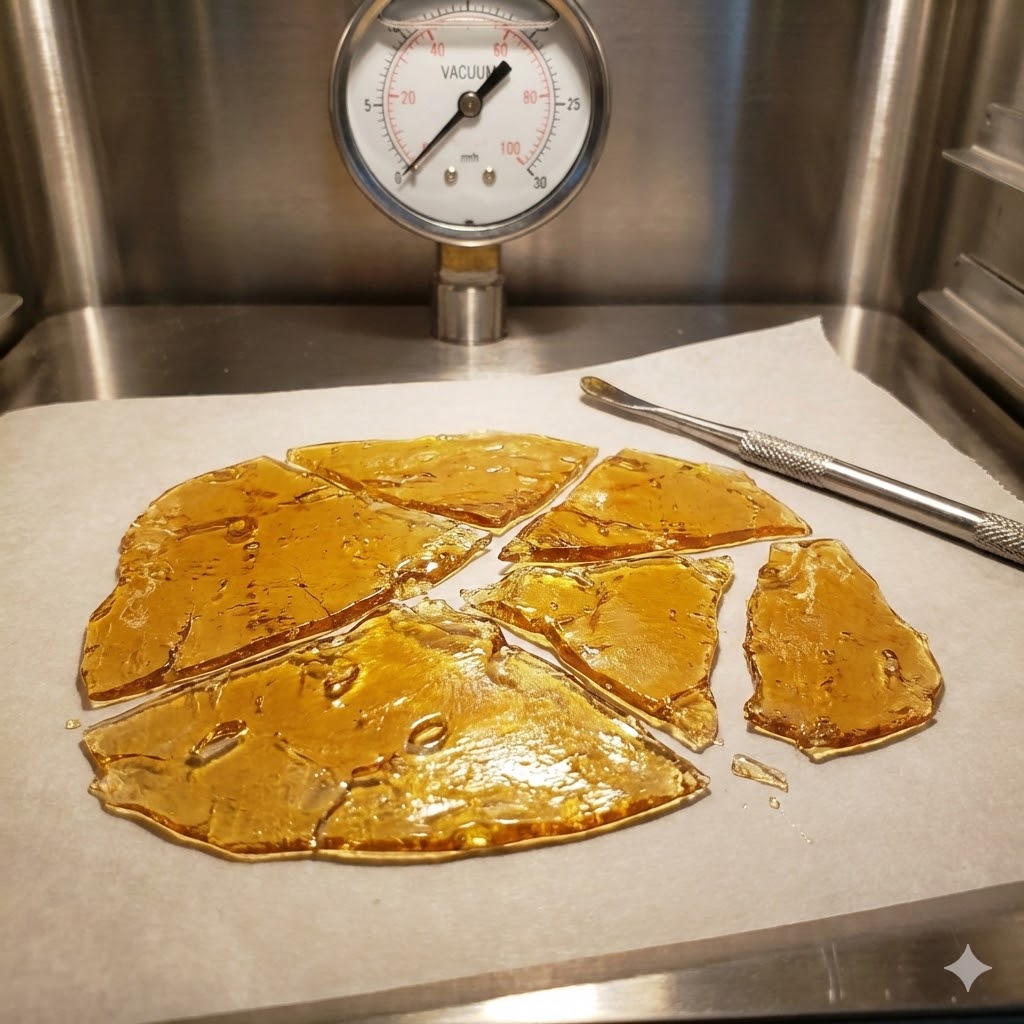
In the diverse world of cannabis concentrates, Shatter remains the gold standard. With its translucent, amber appearance and glass-like texture that “shatters” upon contact, it is visually stunning and incredibly potent. For many connoisseurs, a slab of stable, golden shatter is the ultimate representation of a strain’s purity.
But how exactly is it made?
The process of making shatter—technically known as Butane Hash Oil (BHO) extraction—is a delicate balance of chemistry and physics. It transforms raw flower into a concentrated oil that can test upwards of 80% THC.
While we strongly recommend purchasing lab-tested products from professionals to ensure safety and purity, understanding the process is essential for any true enthusiast. In this guide, we will break down the science of extraction, the equipment used, and why that “glassy” snap is so hard to achieve.

What is Shatter?
Shatter is a type of cannabis extract made using a solvent (usually butane) to strip trichomes from the plant material. Unlike “budder” or “wax,” which are agitated during the purging process to create a creamy texture, shatter is left undisturbed.
This lack of agitation allows the molecules to align in a stable, crystal-like structure. The result is a hard, brittle substance that looks like hardened caramel or stained glass.
-
The Appeal: It is easy to handle (if kept cool), has a long shelf life, and offers a clean, potent dab.
-
The Risk: Making it involves highly flammable solvents.
The Safety Warning: Read Before You Proceed
Disclaimer: The following information is for educational purposes only. Manufacturing BHO at home can be extremely dangerous. Butane gas is heavier than air; it sinks to the floor and can be ignited by a pilot light, a static spark, or even a refrigerator motor.
Professional extractors use “Closed-Loop Systems” that recycle the butane, preventing leaks. Home extraction (“Open Blasting”) releases flammable gas into the immediate environment. If you choose to process cannabis, never do it indoors.
The Essentials: What You Need
To make shatter, you are essentially washing the weed with a solvent and then evaporating that solvent.
-
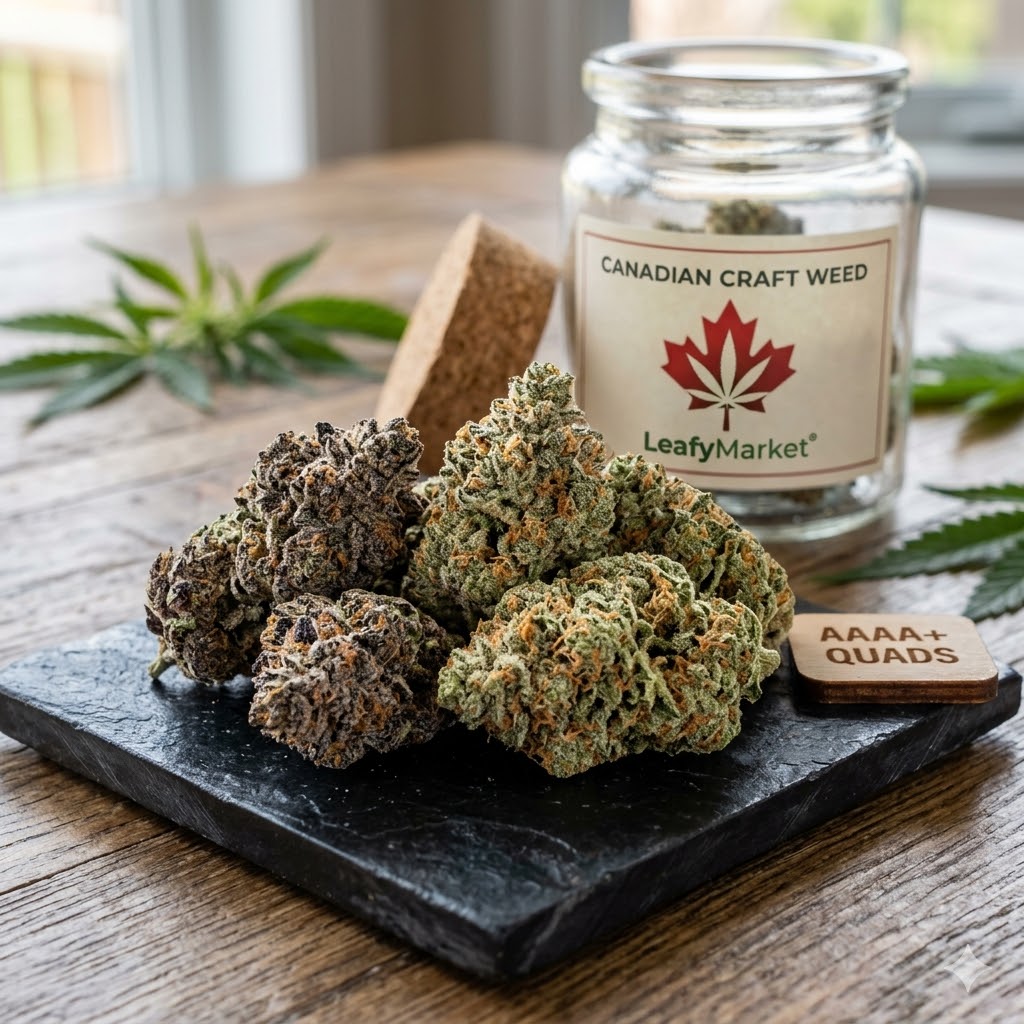
Cannabis: High-quality, resinous flower. You cannot make gold from garbage.
-
Extraction Tube: Usually made of glass or stainless steel.
-
Butane: High-quality, refined butane (N-Butane) is critical. Cheap lighter fluid contains impurities that will end up in your lungs.
-
Collection Dish: Pyrex or heat-resistant glass.
-
Heat Source: An electric water bath or heating pad (NO OPEN FLAMES).
-
Vacuum Oven: This is the secret weapon. You cannot make true, stable shatter without a vacuum purge.
Step 1: Material Preparation
The quality of your shatter is determined before the butane even touches the bud.
-
Moisture Content: The buds must be bone dry. Any water in the plant material will end up in your oil, causing it to sizzle when dabbed and turning the texture from “shatter” to “soup.”
-
Packing the Tube: The cannabis is ground coarsely and packed into the extraction tube.
-
Too Tight: The butane can’t flow through, and pressure builds up (dangerous).
-
Too Loose: The butane rushes through without grabbing enough THC, resulting in low yield.
-
The Sweet Spot: Firm and even, with no air pockets.
-
Step 2: The Blast (Extraction)
This is the moment of extraction. The tube is held over the collection dish (outdoors!). The butane can is attached to the top.
As the freezing cold liquid butane passes over the plant material, it dissolves the trichomes (THC, CBD, Terpenes) immediately. It ignores the chlorophyll and plant matter, carrying only the “good stuff” down through the filter screen.
A gold/amber liquid begins to drip from the bottom of the tube into the Pyrex dish. This liquid is a mixture of butane and hash oil.
Step 3: The Evaporation (Initial Purge)
Once the run is complete, you are left with a dish full of liquid. You need to get the butane out. The dish is placed in a warm water bath (approx. 100°F – 110°F).
-
Don’t Boil It: If the water is too hot, you will burn off the terpenes (flavor).
-
Watch the Bubbles: As the dish warms up, the butane will start to boil off vigorously. The mixture will bubble and froth. This usually takes 15–20 minutes.
-
The Result: You are left with a sticky, gooey oil. This is “Crude Oil.” It is not safe to smoke yet, as it still contains trapped solvent.
Step 4: The Vacuum Purge (The Secret to Shatter)
This is the step that separates “home-made goop” from “dispensary-grade shatter.”
To get that hard, glassy texture, you need to remove all the tiny butane bubbles trapped deep inside the oil. If you just keep heating it, you’ll cook the oil. Instead, pros use a Vacuum Oven.
-
The Slab: The sticky oil is spread thin onto parchment paper or a silicone mat (PTFE is best).
-
The Vacuum: The slab is placed in the vacuum chamber. The pump is turned on, lowering the atmospheric pressure inside the oven.
-
The Physics: Under a vacuum, the boiling point of butane drops. This allows the solvent to boil off at very low temperatures (90°F–100°F), preserving the flavor while sucking out every last molecule of gas.
-
The Muffin: As the vacuum pulls, the oil will expand and puff up like a muffin. This is the gas escaping.
-
Flip and Repeat: The process is repeated over 24 to 48 hours. The slab is often flipped to ensure an even purge.
Troubleshooting: Why Isn’t It Shattering?
Home extractors often ask, “Why is my shatter soft/taffy?”
-
High Terpenes: Sometimes, it’s actually a good thing. Terpenes are solvents. If your strain is incredibly flavorful, the high terpene content might keep the oil soft. This is often sold as “Pull-and-Snap.”
-
Moisture: If your weed wasn’t dry enough, water is trapped in the oil. Water prevents the crystal lattice from forming.
-
Under-Purging: There is still butane trapped inside.
-
Over-Agitation: If you whipped or stirred the oil while it was warm, you introduced air and agitated the molecules. This turns it into Wax or Crumble, not shatter.
Closed-Loop Extraction: How The Pros Do It
At LeafyMarket, the shatter we stock is not made by open-blasting in a backyard. It is produced using industrial Closed-Loop Systems (CLS).
-
Purity: The system allows the extractors to distill the solvent before it even touches the weed, ensuring medical-grade purity.
-
Dewaxing: Pros use an “in-line dewaxing” column (often chilled with dry ice) to freeze and filter out plant fats and lipids. This is why professional shatter is clear and smooth, while home-made BHO can be cloudy and harsh.
-
Testing: Every batch is sent to a lab to verify that the Residual Solvent PPM (Parts Per Million) is near zero.

Conclusion: Buy Smart, Smoke Safe
Making shatter is a fascinating science experiment, but it requires expensive equipment and strict safety protocols to do it right. The difference between a “blown-up garage” and “liquid gold” is often just a small spark or a loose clamp.
Unless you are ready to invest in a vacuum oven and a closed-loop system, the safest and most cost-effective option is to buy from the experts.