What Is THCa
THCa (tetrahydrocannabinolic acid) is the non-psychoactive precursor to THC found in raw cannabis. Heating converts it to THC through decarboxylation – lose CO2, gain a buzz. Raw THCa flower can legally contain 25-30% THCa and produces zero high if eaten cold but full delta-9 THC effects when smoked, vaped, or baked. THCa diamonds are crystalline THCa pressed from concentrate, hitting 99% purity. The most concentrated form of cannabinoid you can buy.
What is THCa?
THCa is the carboxylated precursor to delta-9 THC. In a living cannabis plant, the enzymes synthesize THCa from CBGa (cannabigerolic acid) – never THC directly. The carboxyl group (-COOH) makes THCa molecule larger and chemically incapable of binding the CB1 receptor in the brain. That’s why raw cannabis does not get you high. The buzz only happens when heat strips off the carboxyl group (-COOH leaves as CO2), converting THCa to delta-9 THC.
How does THCa convert to THC?
The conversion process is called decarboxylation:
- Heat: temperatures above 220F start the conversion, peak around 240F
- Time: faster heat = faster decarb, slower heat = more controlled
- Smoking/vaping: instant decarb at the cherry temperature (1500F)
- Baking/cooking: 240F for 25-40 min in oven before infusing
- Sunlight/aging: very slow, partial conversion over months
Fresh raw cannabis is roughly 0.5-5% THC and 25-30% THCa. After full decarboxylation, the same plant material becomes 25-30% THC because THCa loses about 12% of its mass when CO2 is released, but the molar conversion is roughly 1:1.
What does THCa do if you eat it raw?
Eating raw, undecarbed cannabis or THCa products produces zero THC high:
- Mild anti-inflammatory effects
- Possible immune modulation
- Slight appetite stimulation
- No psychoactive buzz whatsoever
Some users juice raw cannabis leaves specifically for the THCa – they want anti-inflammatory benefits without intoxication. The cannabinoid is biologically active but at a totally different receptor profile than THC. Think of it as a precursor pharmaceutical: same plant, completely different effect category.

What is THCa flower?
THCa flower is cannabis bred and tested to contain mostly THCa rather than delta-9 THC. It is grown identically to standard cannabis – the difference is in labelling and which states/provinces allow the legal exploit. Once smoked, vaped, or baked, THCa flower behaves identically to standard cannabis because the heat decarbs the THCa to THC in real time. In the U.S., THCa flower exploits a federal hemp law loophole – if total delta-9 THC is under 0.3% (because the THCa hasn’t been heated yet), the flower is legally hemp. In Canada, this loophole does not exist; the Cannabis Act regulates total THC including the post-decarb potential.
What are THCa diamonds?
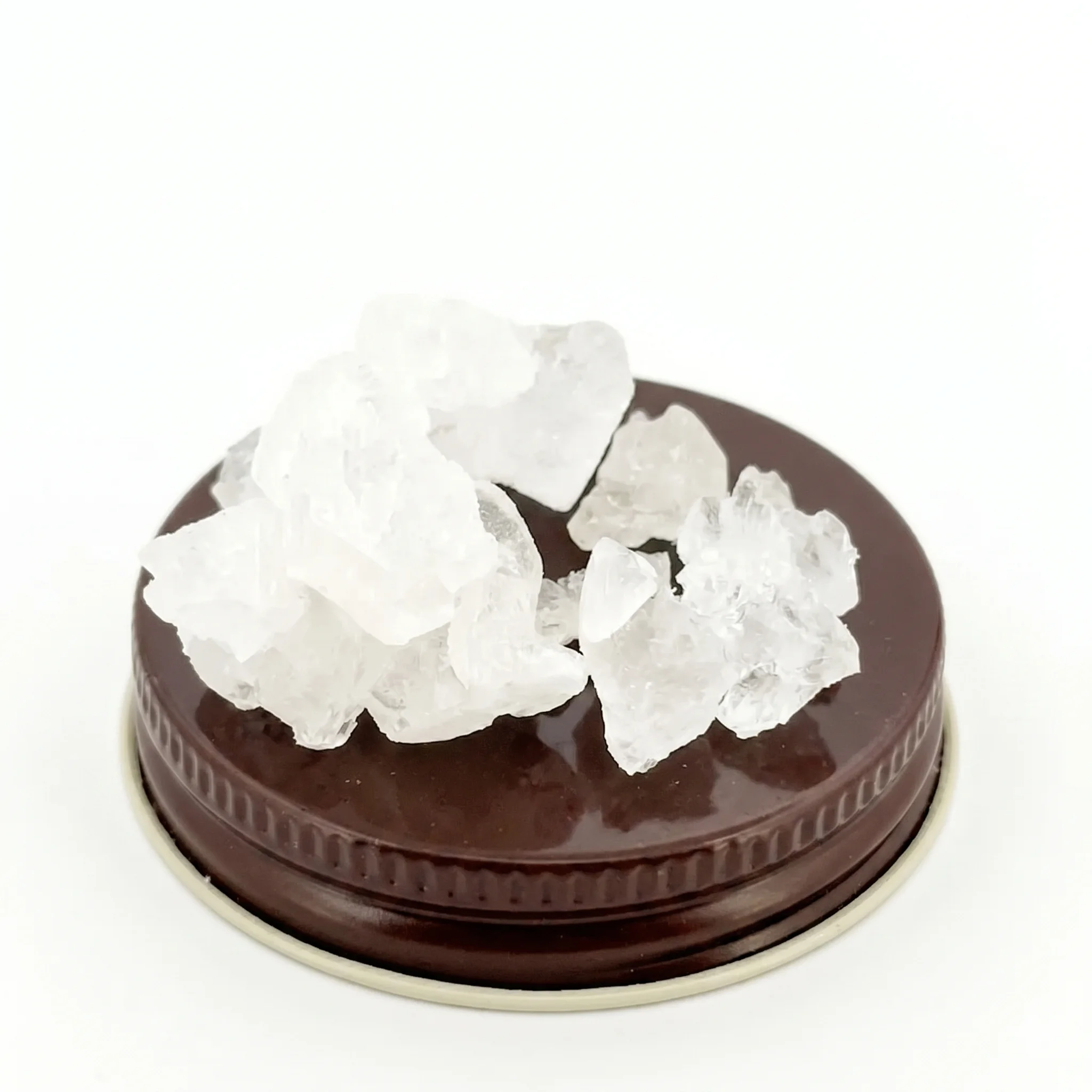
THCa diamonds are crystalline THCa concentrate, the purest cannabinoid product available:
- 99% pure THCa by mass
- Crystallized out of butane or solventless extracts
- Appear as clear or amber crystals, sometimes sold loose, sometimes in terp sauce
- Decarb to roughly 87% pure delta-9 THC when heated
Dabbed diamonds produce intense, clean THC effects with minimal other cannabinoids or terpenes if sold pure. Most retail diamonds are sold “diamonds + sauce” – the diamonds for cannabinoid hit, the terpene sauce for flavour and entourage effects.
How is THCa flower legally sold in Canada?
Health Canada regulates cannabis based on total THC potential, not current state. THCa flower with 25% THCa has the same legal classification as 25% THC flower because it will produce that THC when consumed. Licensed Canadian producers sell their flower with the THC potential labelled directly. The U.S. hemp THCa loophole does not transfer. Our 2026 cannabis regulatory update covers the current Canadian framework.
How is THCa flower different from regular cannabis flower?
Functionally, almost identical:
- Same plant species
- Same growing techniques
- Same terpene profiles
- Same smoking experience
- Identical effects once heated
The only practical difference is how the flower is labelled and which legal framework applies. In the U.S. the labelling matters for legality. In Canada with unified cannabis regulation it does not.
What about THCa for daily users?
Some experienced users specifically prefer THCa products because:
- Raw juicing allows daytime use without intoxication
- THCa diamonds produce cleaner, more cannabinoid-focused effects when dabbed
- Tinctures with both THCa and decarbed THC let users adjust the buzz ratio
- Anti-inflammatory effects support athletic recovery without high
The flexibility of THCa – precursor that you choose when to activate – is the strategic appeal for daily users managing their cannabis differently from a typical recreational pattern.
Does THCa show up on a drug test?
Both yes and no:
- Smoking/vaping THCa flower → decarbs to THC → shows up as THC
- Eating cold raw THCa → may not show up because metabolites differ
- Most workplace drug tests target THC-COOH (the metabolite of decarbed THC)
- Sensitive tests may pick up THCa metabolites too
If you are subject to drug testing, treat THCa products as risky regardless of how you consume them. Even cold raw THCa produces some metabolic conversion in the liver.

What is the future of THCa?
Three trends:
- Tighter U.S. regulation – the hemp THCa loophole will likely close at federal level by 2027
- More precision dosing – tinctures and capsules with measured THCa amounts
- Medical research expansion – the anti-inflammatory potential is finally being studied separately from THC
For Canadian users, THCa is the same as regular cannabis legally and effectively. For U.S. users, the dynamic is more in flux and worth tracking. Full Canadian cannabis regulations.
Sources
- Wang M, et al. Decarboxylation Study of Acidic Cannabinoids. Cannabis and Cannabinoid Research, 2016.
- Russo EB. Taming THC: potential cannabis synergy and phytocannabinoid-terpenoid entourage effects. Br J Pharmacol, 2011.
- Andre CM, et al. Cannabis sativa: The plant of the thousand and one molecules. Front Plant Sci, 2016.
- Health Canada Cannabis Regulations, 2024.
Related Cannabinoid Guides
Browse all cannabinoid articles in our Cannabinoid Guide hub.